
Understanding and Managing Self-Harm
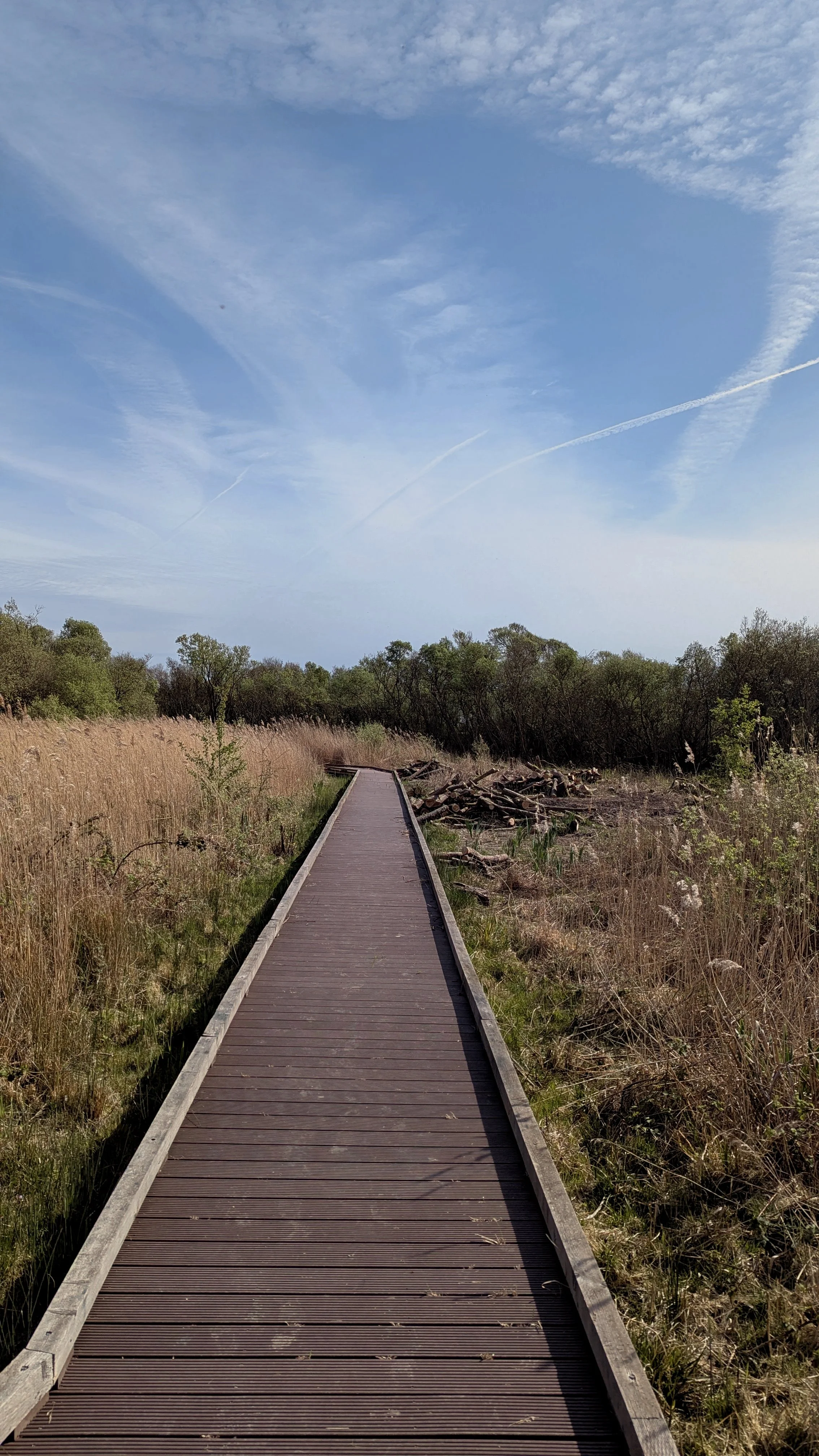
Self-harm is often a physical response to an internal storm. Whether you are an adult struggling with long-term patterns, a young person overwhelmed by modern pressures, or a parent terrified for your child.
I offer a space that is grounded, non-judgmental, and focused on recovery.
Self-harm is rarely about wanting to end life; it is usually a way of trying to survive it. It is a tool used to cope with emotional pain, numbness, or a sense of being overwhelmed. My role is to help you understand that pain and develop a different toolkit for managing it.
If you or someone you love is in immediate danger or requires urgent medical attention, please use the following resources:
Emergency Services: Call 999 or go to your nearest A&E.
NHS 111: Call 111 for non-emergency medical advice.
Shout: Text 'SHOUT' to 85258 for 24/7 crisis support.
Samaritans: Call 116 123 anytime.
How I Work:
A Compassionate, Practical Approach
I treat self-harm as a communication of distress. My approach is tailored to where you (or your child) are right now:
For Adults: We work to unpick the roots of these behaviors, exploring the triggers and the "function" the harm serves, while building more sustainable ways to regulate your emotions.
For Young People: I provide a "pressure-free" zone where we can talk about the things that feel impossible to say elsewhere, focusing on self-compassion and resilience.
For Parents: I offer a bridge of understanding. I help you navigate the fear and provide guidance on how to support your child without inadvertently increasing the tension or shame.
Safety, Trust, and Confidentiality
Trust is the foundation of the work we do. Because of this, our sessions are confidential.
For Adults: What we discuss stays between us, unless there is a risk of serious harm to yourself or others.
For Young People & Parents: I maintain the young person’s privacy so they feel safe to be honest. However, I am a safeguarding-led practitioner. If I believe a young person is at significant risk, I will involve the necessary people and services to ensure their safety. We will discuss these boundaries clearly in our first meeting so everyone knows where they stand.
Focus on Harm Reduction
Recovery isn't always a straight line. My focus is on Harm Reduction—this means we don't just "demand" that the behavior stops. Instead, we:
Acknowledge the need for relief.
Create a Safety Plan for high-risk moments.
Slowly introduce new coping strategies to replace the old ones.
Work toward a life where self-harm is no longer the only option.
Get in touch
If you’re ready to take the first step, I invite you to get in touch and we can arrange a free 15-minute online consultation.
During this chat, we can:
Talk about what’s going on for you
Answer any questions about therapy
See if we’re a good fit